
In 2025, the rapid evolution of cloud computing prompted a closer examination of the infrastructure supporting it. AI demand pushed cloud platforms to their limits, exposing capacity constraints, GPU shortages, and the physical realities of power, hardware, and resiliency that underpin virtual services. Hybrid models gained traction as enterprises sought to balance flexibility with control, while neoclouds, bare-metal offerings, and private GPU deployments challenged traditional assumptions about workload placement.
High-profile outages and post-acquisition shifts highlighted the risks of scale and consolidation, even as they delivered efficiency gains. Security and data protection strategies evolved to address the challenges of distributed, cloud-centric architectures.
Our top 10 cloud computing stories of 2025 reflect a year of rapid AI expansion, tighter infrastructure constraints, and evolving deployment models. Together, they underscore how cloud strategy became inseparable from capacity planning, resilience, and long-term infrastructure decisions.
Hybrid cloud moved from buzzword to reality in 2025, as enterprises increasingly combined colocation, edge nodes, and cloud services to optimize performance, cost, and control. Data centers have proven essential to hybrid strategies and emerged as critical infrastructure for digital transformation.
Specialized “neocloud” providers captured attention in 2025 by offering GPU-as-a-Service when demand for AI compute outpaced what hyperscalers could supply. These niche clouds demonstrated how capacity constraints, particularly for high-performance workloads, are shaping competitive advantage. Their growth underscored a broader trend: compute scarcity can be as defining as compute demand in this era of AI infrastructure expansion.
AWS, Microsoft Azure, and Google Cloud reported strong AI-fueled revenue growth in 2025 but also acknowledged capacity ceilings due to hardware shortfalls and power limitations. Conversations about “cloud scale” have increasingly focused on the physical realities of capacity, rather than just service adoption, and the year made clear that cloud growth cannot be decoupled from grid constraints and supply chain pressures.
Equinix’s announcement to sunset its Metal service by 2026 sparked industry-wide debates about the viability of bare-metal-as-a-service (BmaaS) at hyperscale. The decision raised questions about whether BMaaS can thrive as a mainstream offering or if it will settle into specialized niches.
The Broadcom-VMware deal remained a hot topic in 2025, as customers and partners grappled with price hikes and shifting commercial terms. While fears of a collapse proved unfounded, the acquisition sharpened interest in open-source alternatives and cloud-native platforms. It served as a reminder that industry consolidation has long-term implications far beyond the initial headlines.
A major AWS outage reverberated across industries, sparking renewed scrutiny of the enterprises’ dependence on a handful of cloud giants. Data Center Knowledge Senior News Writer Shane Snider investigated how the outage became a focal point for multi-cloud and resilience planning, underscoring the delicate balance between efficiency and vulnerability in modern cloud architectures.
Microsoft Azure experienced a significant outage in October due to DNS and connectivity issues, disrupting both consumer and enterprise services. The incident revealed how foundational services can become critical single points of failure at a massive scale. Following the incident, industry watchers discussed infrastructure design and operational risk, emphasizing the importance of reliability in massive cloud environments.
The debate over cloud-hosted GPUs versus owning private GPU infrastructure became one of the central discussions in AI deployment strategies in 2025. Enterprises weighed factors like cost, predictability, control, performance targets, and long-term planning, reflecting a more mature approach to AI compute as a strategic architectural decision.
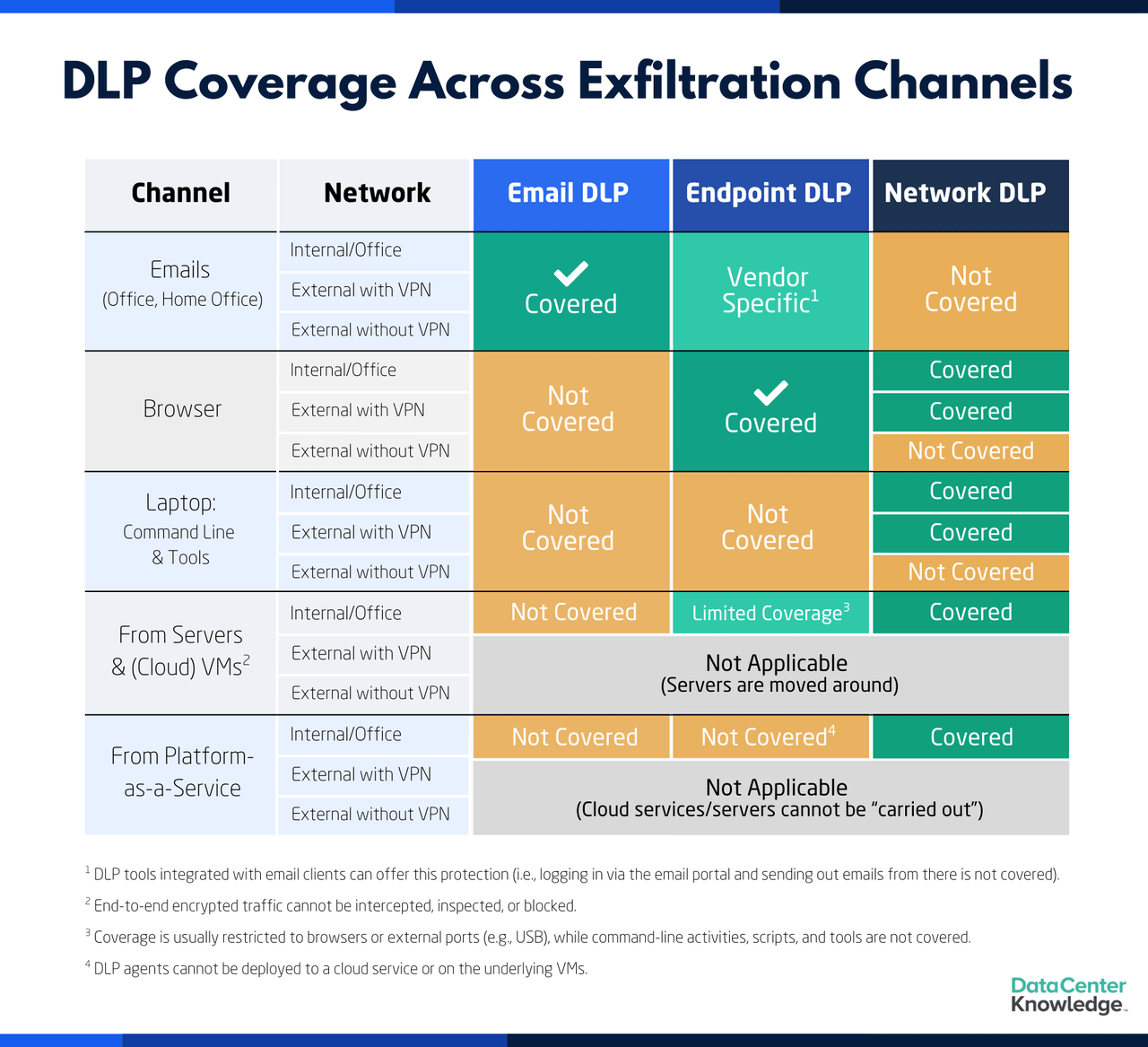
Cloud data loss prevention (DLP) evolved in 2025, shifting from broad, reactive monitoring to tailored, risk-based frameworks focusing on user behavior and high-value pathways. This approach showed that security tooling must be as agile and contextual as the data environments it protects, especially in hybrid and multi-cloud settings. The evolving DLP playbook underscored the challenge of maintaining a security strategy aligned with the risks associated with distributed infrastructure.
Key trends identified by Data Center Knowledge in 2025 included hybrid architectures, distributed footprints, workload portability, edge expansion, and security development. These themes framed the year as one where cloud strategy and physical infrastructure planning became deeply intertwined.